Tree Health Assessments in Carrollton, TX
Get a Free Quote
Tell us about your tree and we will call you back.
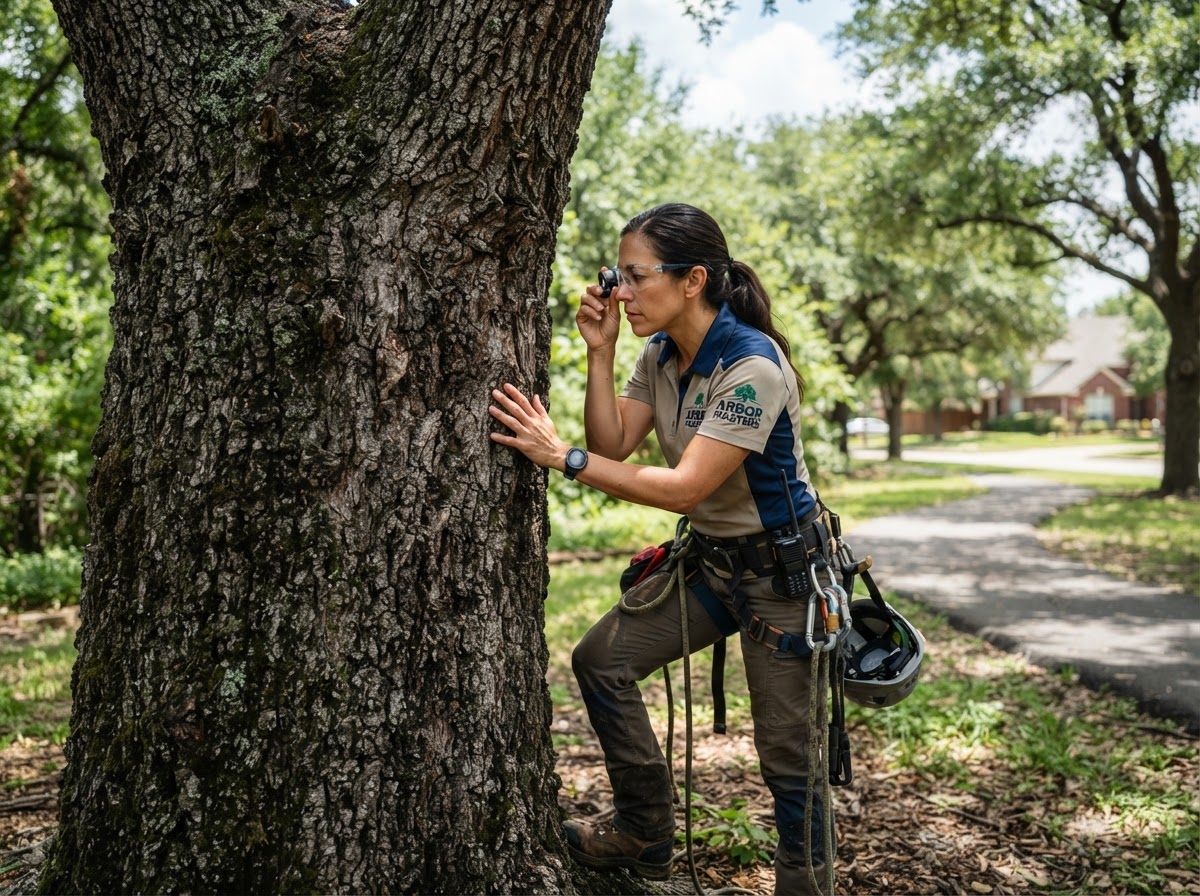
Signs Your Tree May Be Sick
A sick tree usually tells you something's wrong before it fails. Watch for:
- Leaves thinning out, turning brown, or dropping early in summer
- Dead branches at the top of the canopy
- Bark cracking, peeling off in patches, or falling off in sheets
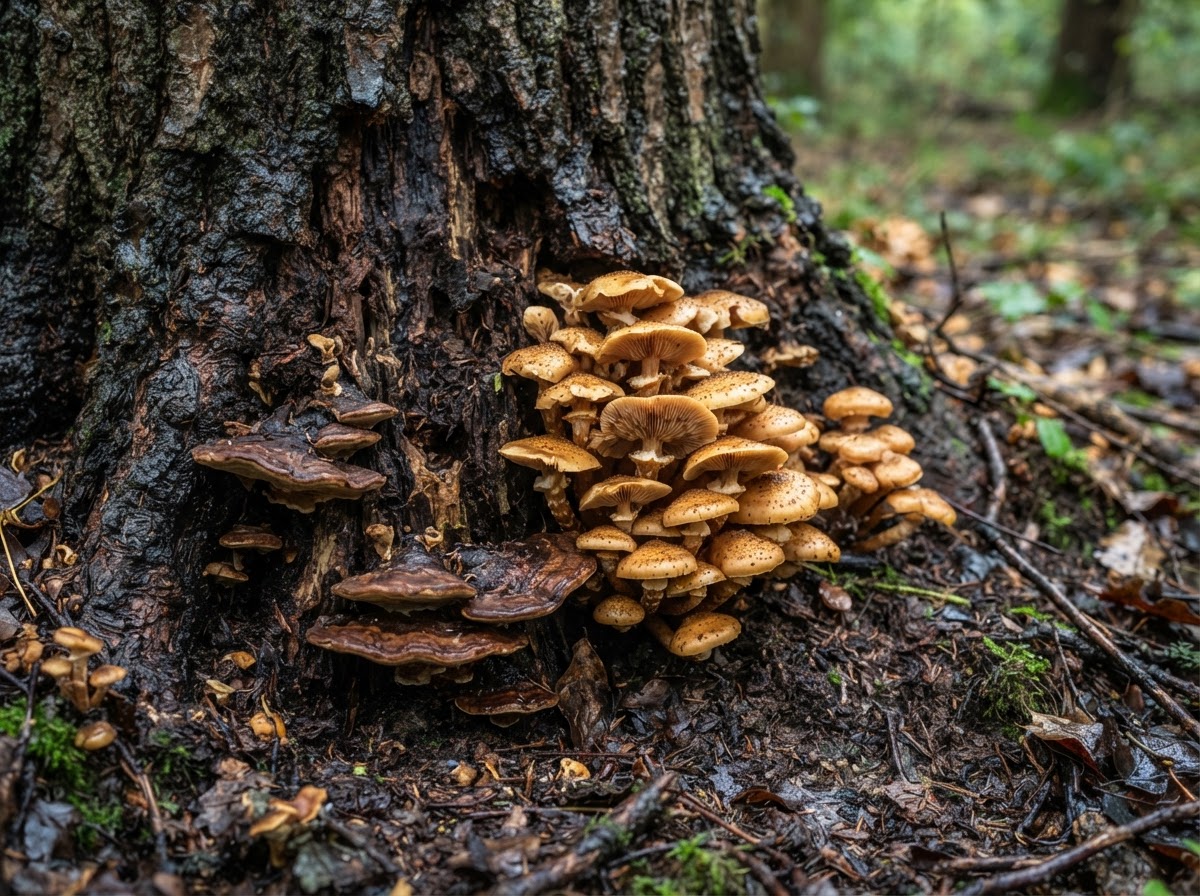
- Mushrooms or fungus growing on the trunk or at the base
- Holes in the bark, sawdust at the base, or sap oozing from the trunk
- New shoots sprouting from the lower trunk
- A tree that leafs out later than the same kind of tree down the street
One of these alone doesn't always mean trouble. Several together usually do.
Common Tree Problems Around Carrollton
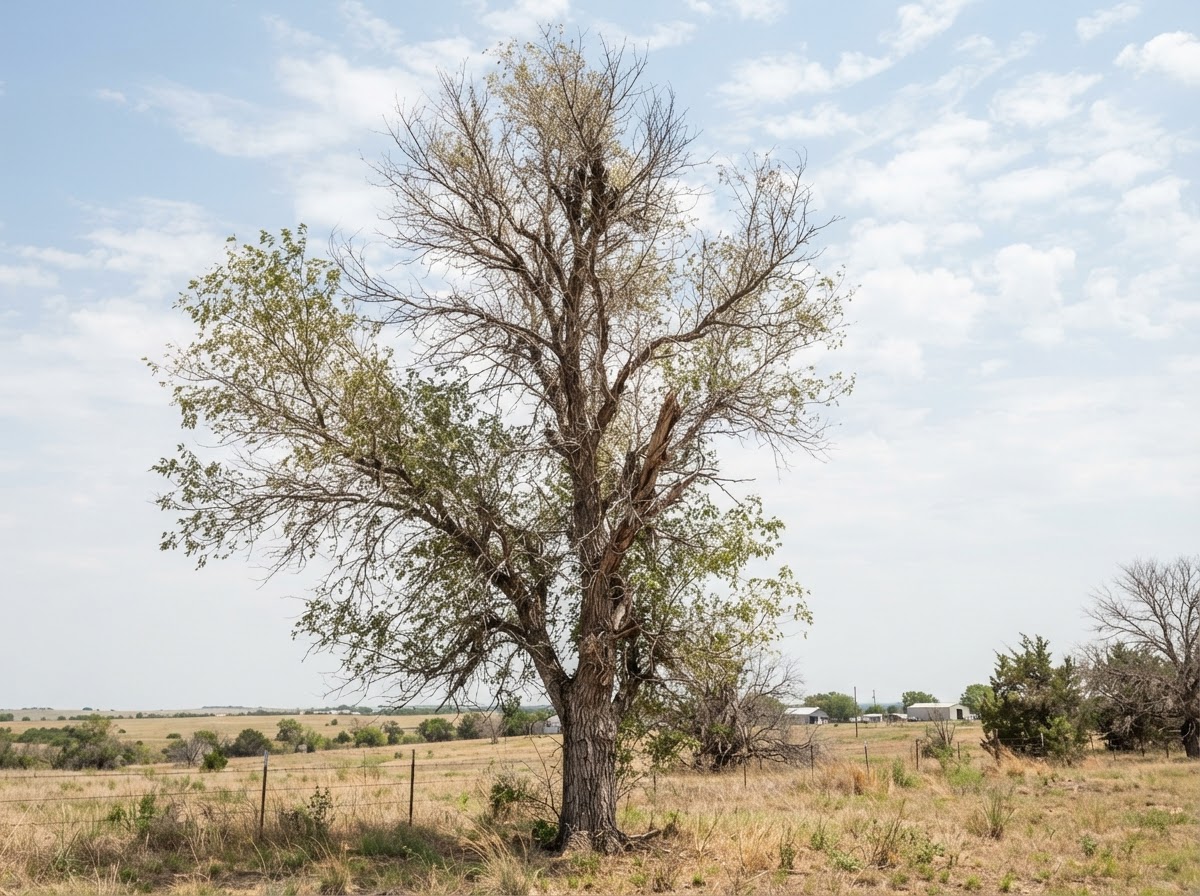
Emerald ash borer. This beetle kills ash trees by tunneling under the bark. The Texas A&M Forest Service has confirmed it in Dallas County, including near the Coppell and Carrollton border, and Dallas and Denton counties are under a state quarantine. Learn more from the Texas A&M Forest Service. (Link opens in a new tab.)
Drought stress. Long, hot summers and our heavy clay soil are hard on trees. A tree that went through a bad drought can show damage a year or two later.
Disease in oaks. Oaks in Texas can be hit by fungal diseases that spread through roots or are carried by insects to fresh wounds. Drought-stressed oaks are especially at risk.
Root damage from construction. New driveways, additions, pools, and trenching for utilities cut and smother roots. The tree may not show it for a few years.
Old storm damage. Cracked limbs and torn bark from past storms let rot in, and the tree can look fine on the outside while the inside goes soft.
What Happens During an Assessment
We look at the whole tree from the roots up: the soil around the base, the root flare, the trunk, the main limbs, and the canopy. We look for rot, cracks, insect signs, fungus, and dead wood, and we'll ask what's changed around the tree lately, like construction, new grading, or a change in watering.
Then we give you a straight answer. Some trees just need pruning to remove dead wood. Some need support from cabling and bracing. Some can be helped with treatment from a licensed applicator, and we'll explain your options. And some are too far gone and need to come down before they fall.
Can My Tree Be Saved?
Often, yes, if the problem is caught early. A tree with a little dead wood and a thinning canopy has a much better chance than a tree that's half dead with rot in the trunk. If a tree has become a hazard to your house, family, or neighbors, we'll tell you plainly and talk through tree removal.
Tree Health Assessments Across North Dallas
We check trees in Carrollton, Farmers Branch, Addison, Coppell, Lewisville, The Colony, Flower Mound, Highland Village, North Dallas, and Plano.
Tree Health FAQs
Last updated:
Schedule a Tree Health Assessment in Carrollton
Tell us what you're seeing and we'll call you back fast. In a hurry? Call 945-523-5702.
Call 945-523-5702